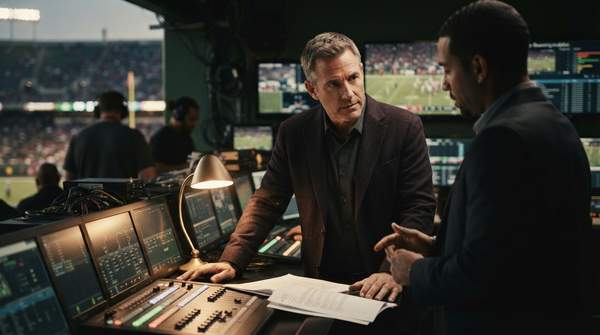
A modern sports agent is far more than a contract negotiator. The job spans four distinct strategic functions—negotiating deals, architecting a career, managing a personal brand, and stewarding long-term financial security—and these roles interlock to shape an athlete's entire professional trajectory, from the first contract to life after retirement.
The Evolving Role of the Modern Sports Agent
The popular image of the agent as a phone-wielding dealmaker captures only a fraction of the profession. A sports agent is formally a legal representative for professional athletes and coaches who negotiates employment and endorsement contracts on their behalf, while also assisting with financial planning, legal coordination, and marketing matters, often working alongside lawyers, accountants, and brand managers. Industry descriptions of the role have expanded accordingly. Agents are charged with shepherding clients throughout their entire playing careers, ensuring consistent athletic development, robust financial positioning, media visibility, and protection of personal brand equity, according to the SportsAgent Institute's guide to the profession. The field itself ranges from boutique agencies to global firms with legal, marketing, and analytics teams, meaning the modern agent combines dealmaking, law and finance fluency, brand marketing, and around-the-clock client service.
The Four Strategic Pillars of a Modern Sports Agent
The clearest way to understand the job is not as a list of tasks but as four integrated pillars, each with its own objective and activities, all supporting the athlete from start to finish.
| Strategic Role | Primary Objective | Key Activities | Impact on Athlete |
|---|---|---|---|
| Contract Negotiator | Secure the most favorable employment and endorsement terms possible. | Market valuation analysis, identifying suitable clubs, contacting decision-makers, building negotiation strategies—work that begins months before contract execution. | Optimized compensation and contract terms, including opt-out clauses and protections. |
| Career Architect | Guide long-term professional development and strategic career moves. | Aligning club choices with development goals, balancing short-term financial gains against long-term objectives, planning post-career transitions. | A coherent career trajectory rather than a series of disconnected transactions. |
| Brand Manager | Enhance marketability and public image. | Securing endorsements, managing media appearances, developing social media strategies, negotiating royalty structures and image rights. | Income beyond salary and a durable public identity. |
| Financial/Administrative Steward | Ensure long-term financial stability and manage off-field complexity. | Financial planning, legal coordination, and administrative support, often alongside accountants and lawyers. | Security that outlasts the playing career. |
The framework's value lies in how the pillars interrelate: a well-negotiated contract strengthens the brand, a strong brand improves negotiating leverage, and sound financial stewardship converts both into lasting security.
Strategic Pillar 1: The Contract Negotiator
Negotiation remains the most visible and, by many accounts, the most important function. The agent's work commences months before contract execution, beginning with rigorous analysis of the player's market valuation, identification of clubs whose playing philosophy and project timeline align with career objectives, preliminary contact with sporting directors and decision-makers, and construction of comprehensive negotiation strategies. The overarching objective is unwavering: securing the most favorable possible terms for the athlete.
The craft shows in the details. Some players balk at long-term commitments and instead agree to lengthy contracts that include opt-outs after each season, and it falls to the agent to draft those terms alongside ownership and management so the client gets exactly what they want. Negotiations can be especially contentious for players at the start of their careers and for athletes on the edge of the professional ranks, where leverage is thinnest and the agent's skill matters most.
Strategic Pillar 2: The Career Architect
Beyond contract logistics, agents function as trusted career architects and strategic mentors. This is where the profession's long-term thinking becomes visible: the agent shapes both immediate logistics and long-term career planning, helping athletes find and leverage opportunities that continue long after they leave the field. The process starts with identifying what an athlete wants to achieve and how that relates to their on-field presence.
The architect's central dilemma is balancing short-term gains against long-term objectives. A lucrative offer from a club whose playing philosophy does not fit a young player's development may cost more in trajectory than it pays in salary. Post-career options—broadcasting roles, social media brand deals—also fall within this planning scope, meaning the architect is designing not just a playing career but a professional life.
Strategic Pillar 3: The Brand Manager
Agents also operate in the public relations sphere, seeking commercial endorsements and charitable opportunities with the goal of helping clients maximize their personal brand and value. To secure the best endorsements, agents connect athletes with promising brands and negotiate terms that protect the athlete's best interests, which can mean clarifying royalty structures or image rights before anything is signed.
The premise underlying this pillar is simple but consequential: talent on the field is not enough to build a sterling career, and each competitor is, in effect, a brand—making each agent a brand manager, as sports entrepreneur Michael Ede has argued. Media appearances and social media strategies extend the work beyond deal signings into continuous reputation management.
Strategic Pillar 4: The Financial and Administrative Steward
The fourth pillar addresses what athletes are often ill-prepared to handle alone: a dizzying array of off-field concerns, from contracts to sponsors and beyond. Agents serve as a crucial part of a full team of professionals handling these complications, assisting with financial planning and legal coordination alongside lawyers and accountants. This stewardship extends beyond income management to the administrative and strategic work that keeps an athlete's affairs in order while they focus on performance. It is the pillar most directly tied to long-term security, converting the earnings from the other three pillars into durable stability.
The Future of Sports Agency: Trends and Evolution
The profession itself is changing. Key trends shaping the business include the rise of digital platforms for athlete promotion, an increased focus on mental health and wellness support, expansion into emerging sports markets, and the use of AI for contract analytics. The industry has evolved from informal beginnings into a sophisticated discipline that leverages data analytics and global networks.
Regulation has professionalized the field further. FIFA's Regulations on Working with Intermediaries, introduced in 2015, banned third-party ownership of players' economic rights and established a framework for registering and disclosing intermediary activity, with national associations required to publish annual data on agent fees and transactions. As sports continue globalizing and professionalizing, the strategic importance of agents is expected to intensify. Their ability to adapt to changing market conditions and athlete needs will define their relevance in the years ahead.
One caveat: this article describes the general roles of a sports agent and does not provide legal or financial advice, nor does it cover certification or licensing requirements, which vary by sport, league, and jurisdiction.
Navigating the Athlete's Journey: The Agent as a Central Strategist
The reader's takeaway is a decision about how to view the profession: recognize that a modern sports agent is an indispensable, multifaceted strategic partner whose influence spans contract negotiation, career development, brand management, and financial security, fundamentally shaping an athlete's entire professional lifecycle. Whether orchestrating negotiations, identifying transformational opportunities, safeguarding client interests, or developing distinctive personal brands, agents directly shape their clients' professional trajectories and ultimate success.
The measurable indicator of that influence is visible across an athlete's career: sustained career success, optimized financial outcomes, and a consistent brand presence across the various stages of professional life. When those three markers hold steady from a first contract through retirement planning, the four pillars are doing their work.
Sources
- Sports agent: complete guide to understanding this strategic profession — SportsAgent Institute
- The Powerful Role of a Sports Agent: What It Takes to Succeed in Contract Negotiation & Athlete Representation — Lindenwood University
- Becoming A Sports Agent: The Duties, Skills, Career Path And Earnings Behind Sport’s Biggest Names — Forbes
- Sports agent - Wikipedia