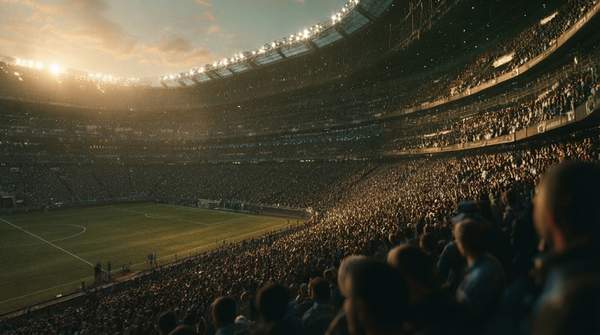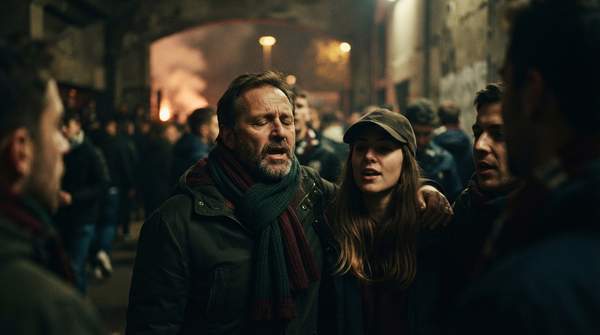
Sports fan rituals build community because they trigger measurable psychological mechanisms: shared emotional arousal, physiological synchrony and identity fusion. When fans chant together, light flares before kickoff or insist on sitting in the same seats every week, they are not merely expressing loyalty—they are actively manufacturing it. Research on Brazilian football supporters found that collective emotional excitement peaked not during the match itself but during the pre-game rituals, and a study of soccer ultras argues that rituals performed against rivals fuse individual identity with the group. Understanding these mechanisms explains why the group, not the game, is often the true object of fandom.
The Power of Shared Rituals in Sports Fandom
Research on sports fan behavior has shown that many fans experience a profound sense of belonging not just to the team but to fellow supporters, forming tight-knit communities characterized by shared rituals, traditions and emotional connections. This finding, drawn from a review of social identity and identity fusion perspectives on fandom, suggests that fandom is not merely a matter of categorizing oneself as a fan but of deep, personal commitment to a social network.
That distinction matters. A fan who simply identifies with a team can watch alone at home and remain psychologically separate from other supporters. A fan who participates in rituals—arriving early, chanting, occupying a customary seat—enters a different relationship entirely, one in which the group's rhythms and obligations shape individual experience. Identity fusion theory, as the review explains, provides a framework that integrates both relational ties and collective identity, capturing what ordinary team affiliation cannot.
Why does this matter for understanding cohesion? Because it locates the engine of community in repeated, embodied action rather than in passive allegiance. As a study of Brazilian football fans puts it, while the game may provide excitement, the deeper connections and loyalties among fans are often cultivated in the terraces, through embodied and ritualized interactions that shape collective identities. The match is the occasion; the ritual is the mechanism.