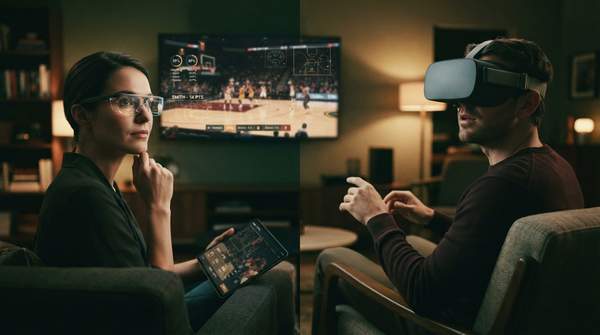
Three landmark technologies define the modern sports viewing experience: the on-screen graphical overlay, which solved the problem of understanding the game; the 24/7 all-sports network, which solved the problem of accessing it; and internet streaming, which solved the problem of when and where to watch it. Each attacked a different barrier between the fan and the game, and together they trace a clear arc from basic comprehension to total convenience. Here is how each one worked, what it fixed, and what it left behind.
Introduction: The Evolving Sports Viewing Experience
Sports broadcasting began with far cruder tools than a yellow line on a football field. The historical record of the medium's earliest days points to a 1911 prerecorded re-creation of a football game in Kansas, in which performers acted out plays relayed by telegraph, and to the first radio broadcast of a boxing match in Pittsburgh in 1921. For decades, the essential challenge was simply getting the game to the audience at all. What followed was not a random series of inventions but a sequence of solutions, each aimed at a specific frustration the viewer faced: not knowing what was happening, not being able to find coverage, and not being able to watch on the viewer's own terms. Keeping those three problems distinct is the key to understanding why these particular innovations mattered so much.