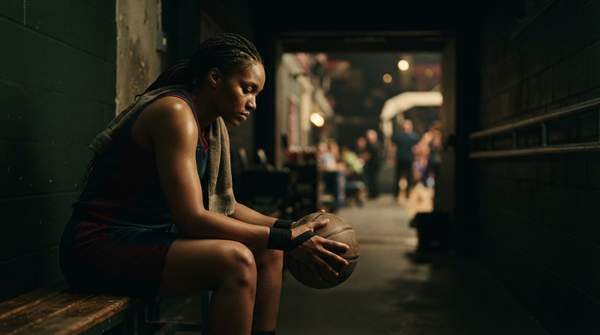
Female athletes face a persistent double bind in sports documentaries: they are both underrepresented and misrepresented, even as the genre itself enjoys a decade of unprecedented quality and cultural relevance. A critical imbalance limits public understanding of their achievements and legacies, directly impacting athlete perception well into 2026. The celebrated genre consistently overlooks the profound impact of women in sports.
Sports documentaries have reached new heights in quality and cultural impact. Yet, female athletes still receive underrepresented and misrepresented media coverage. Significant tension is created within the genre's evolving landscape.
Based on current trends, the celebrated rise of sports documentaries appears likely to further entrench existing gender disparities in athlete perception and legacy unless conscious efforts are made to diversify storytelling.
The Power of the Sports Narrative
Scholars, bloggers, and producers confirm that sports documentaries have reached new heights in quality, cultural relevance, and impact over the past decade, according to JSTOR. Widespread acclaim solidifies the genre's powerful role in shaping public narratives and athlete legacies. Documentaries offer a unique lens to explore human drama, resilience, and societal issues, making them potent tools for legacy building. They contextualize athletic achievements within broader societal themes, giving them considerable cultural weight. By presenting compelling personal stories, these films redefine public figures and cement their place in history. Documentaries craft specific narratives—redemption arcs, overcoming adversity, defining moments—that humanize athletes beyond the field, or they reinforce existing perceptions by selectively highlighting career aspects. The power can either elevate or diminish certain athletic narratives, making selective storytelling a critical concern.
The Unseen and Misrepresented: Female Athletes in Focus
Despite the genre's growing influence, female athletes receive media representation that is both underrepresented and misrepresented, according to Researchgate. Persistent disparity proves the genre's celebrated impact is not equitably distributed, perpetuating existing biases in athletic storytelling. The decade-long surge in sports documentary excellence has become a significant missed opportunity to redefine public perception of female athletes. The stark contrast between JSTOR's assessment of documentary quality and Researchgate's findings on female athlete representation reveals the sports documentary industry is actively squandering its cultural capital. Even with ample resources and creative freedom, the industry appears to default to perpetuating female athlete misrepresentation rather than challenging it. A systemic issue extends beyond individual production choices, indicating a deeper institutional reluctance to embrace diverse narratives.