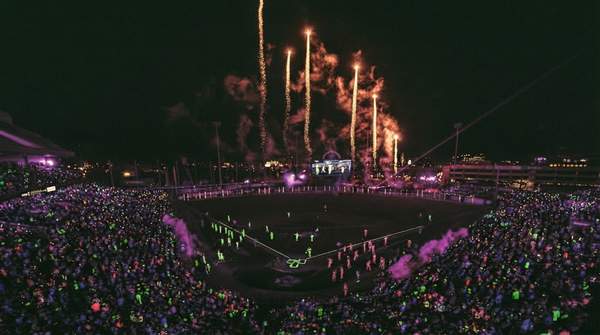
For a minor league sports team, the two most concrete non-ticketing revenue strategies described in the business evidence are opposites in kind: rent out your physical stadium on non-game days, or plug into a league-mandated digital marketplace where your team acts as a seller. The first monetizes local infrastructure; the second monetizes a networked digital ecosystem. Which fits your organization depends on whether your untapped asset is a building or a brand.
Introduction: Beyond the Game Day Ticket
An analysis published in The Sport Journal, examining Minor League Baseball's business sustainability after the COVID-19 pandemic, frames the revenue problem plainly: the three key streams for most minor league teams are ticket revenue, sponsorship, and broadcasting and media rights. Everything else—naming rights, monetization of the fan experience, and hosting non-sporting events and facility rentals—counts as additional revenue that teams had to learn to generate "in ways new to them."
That framing matters for operators, because it distinguishes mature revenue from experimental revenue. Two of those additional streams have since developed enough track record to evaluate strategically: event-based facility use, where the ballpark itself becomes the product, and centralized e-commerce, where the league's platform becomes the sales channel. The evidence for each differs in kind—one rests on venue-level financial records, the other on a league-wide platform case study—and that difference is itself instructive.