Performance apparel is not a single technology but a stack of engineering decisions made at three distinct levels: the choice of base fiber, the application of specialized finishes, and the method of garment construction. A shirt that keeps you dry relies on hydrophobic synthetic fibers and capillary-driven wicking; a jacket that keeps rain out while letting sweat vapor escape relies on breathable membranes, water-repellent treatments, and sealed seams. Understanding those three levels lets a reader decode any product description and connect the stated benefit to the mechanism actually delivering it.
Understanding Performance Apparel Engineering
Apparel engineering, as described by an industry overview published by Stars Design Group, is a convergence of science, technology, and design in which clothing is built to perform specific functions rather than simply look and feel a certain way. These engineered textiles, known as performance fabrics, offer enhanced functionality compared to traditional materials; their specific benefits, which vary based on the fabric and technology, can include moisture-wicking, stretch, breathability, durability, temperature regulation, odor resistance, and water repellency.
The same overview frames performance sportswear as one of the most prominent applications of this discipline, where clothing is designed to optimize athletic performance and enhance the wearer's comfort and safety. Writing for Slam.com, Sara Senaldi describes textile technology as innovations in materials and production processes that enhance clothing features—water-repellent, breathable, and thermoregulating fabrics capable of adapting to weather conditions and the body's requirements. The practical takeaway: a garment's performance is never one property but a combination of choices working together.
Level 1: Engineering Through Base Materials and Fibers
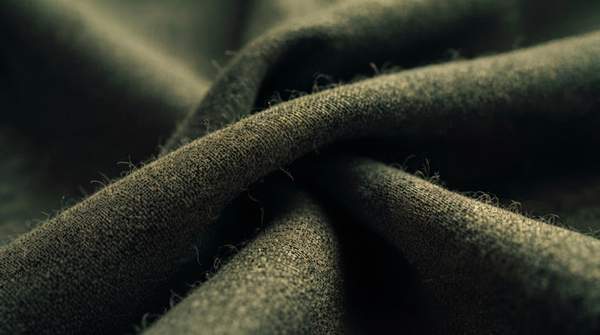
The first level of engineering is the fiber itself. Common performance fabrics include polyester, nylon, spandex, merino wool, TENCEL™ Lyocell, and ripstop nylon, and fabrics can also be blended to create specific performance characteristics, according to Stars Design Group. The choice of material determines the functionality and suitability of apparel for different applications—from moisture-wicking fabrics for athletic wear to flame-resistant fibers for protective clothing.
Moisture management illustrates how base-material properties translate into performance. Most moisture-wicking fabrics are synthetics, as REI Co-op's Ken Knapp explains: when moisture is absorbed into a fabric's yarns, it is trapped there rather than moving through the fabric, which produces poor wicking. Synthetic fabrics are hydrophobic, meaning they resist the penetration of water, which is why polyester and nylon excel at moving sweat. Wool works slightly differently—it absorbs a small amount of liquid into the core of its fibers while wicking moisture out through small openings within the fabric. The result, as Ninja Transfers' guide to wicking materials puts it, is sweat moved from the skin to the fabric's outer surface, where it evaporates more easily and produces a cooling effect that helps regulate body temperature.