
Biomechanics
5 articles
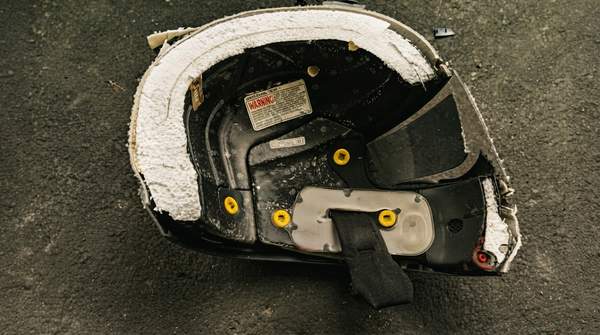
How Sports Helmets Protect Your Brain: The Physics and Materials Inside the Shell
Sports helmets protect the brain by spreading impact forces and extending collision time through advanced materials like viscoelastic foam. This process reduces head acceleration, minimizing brain injury by controlling the forces transferred during impacts.
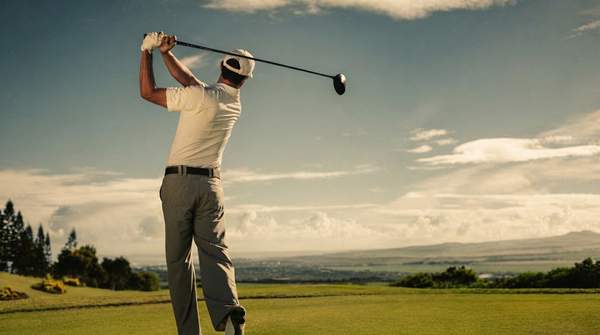
From Ground to Clubhead: How the Kinetic Chain Builds Golf Swing Power
A powerful golf swing relies on the kinetic chain, where energy is sequentially transferred from the pelvis, torso, and arms to the clubhead, amplifying speed. Understanding this proximal-to-distal sequence and its biomechanics is key to improving clubhead speed and performance, outperforming brute strength alone.

From the Bleachers to the Algorithm: The Three Stages of Modern Sports Scouting
Sports scouting has evolved from traditional observation to a data-driven discipline, progressing through statistical analysis, biomechanical tracking, and AI-powered prediction. This evolution augments, rather than replaces, the crucial role of human judgment in identifying athletic talent.
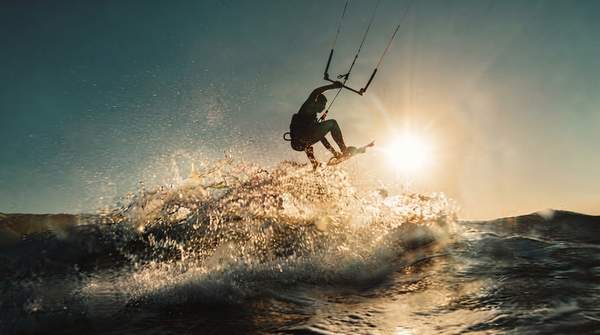
How Biomechanics Decodes Extreme Sports: The Kite Surfing Case Study
Biomechanics analyzes the forces extreme sports exert on the body, using kite surfing as a case study to identify injury risks like lower back strain and inform targeted training for performance and prevention.
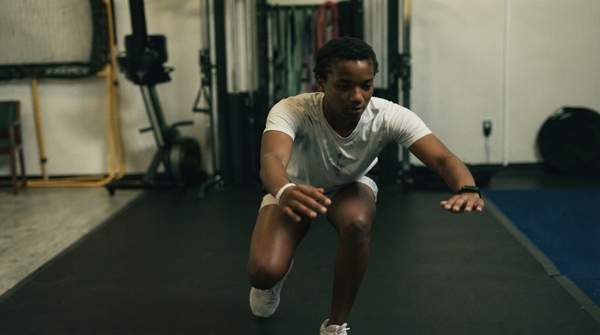
The Biomechanics of ACL Injury: A Guide to Effective Prevention Training
Non-contact Anterior Cruciate Ligament (ACL) injuries in sports result from specific biomechanical failures during dynamic movements like landing and cutting. Effective prevention requires evidence-based neuromuscular training, but success depends on bridging the gap between research and practical, athlete-focused implementation.