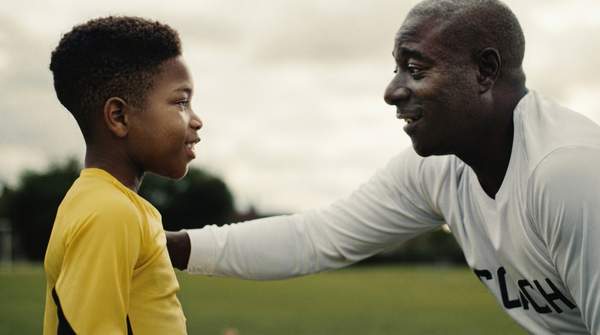
The line between encouraging a young athlete and pressuring one is thinner than most adults realize. Sport psychology research offers a useful lens for finding it: the distinction between harmonious passion, in which a sport is freely embraced as part of a full life, and obsessive passion, in which the sport controls the athlete rather than the reverse. The evidence points to a clear conclusion. Athletes are more likely to develop harmonious passion when they receive ample support from parents and coaches rather than pressure, and more likely to develop obsessive passion when adult behavior is controlling, critical, or contingent on results. The practical difference often lies in ordinary, repeated behaviors: how feedback is given, whether support carries conditions, and how much say the athlete has in their own sporting life.
Decision Framework: Harmonious vs. Obsessive Passion in Youth Sports
The framework below classifies common parental and coaching behaviors into two categories: those that fulfill an athlete's basic psychological needs for autonomy, competence, and relatedness, which research links to harmonious passion, and those that thwart these needs, which are associated with obsessive passion. Use it as a self-assessment tool. Read each row honestly and ask which column better describes your own conduct over the past few weeks, not your intentions.
| Dimension | Behaviors that foster Harmonious Passion | Behaviors that foster Obsessive Passion |
|---|---|---|
| Motivation source | Sport is framed as motivated by personal enjoyment and a genuine desire to improve competency, not external recognition or validation. | Emphasis on external recognition, rankings, scholarships, or adult approval as the reason to compete. |
| Feedback style | Constructive feedback that affirms displays of gratification and skill growth. | Punishment for poor performance; overly critical feedback. |
| Support conditions | Support is explicitly unconditional, not attached to contingencies like performance quality. | Support is contingent on results, which athletes can internalize as pressure and fear of disappointing parents or coaches. |
| Athlete autonomy | The athlete's choices, decisions, and initiative are supported, satisfying the need for autonomy. | Controlling behaviors that thwart autonomy, producing frustration and feelings of pressure. |
Two qualifications matter. First, support itself can backfire: sport psychologists caution that support can be internalized as pressure in some athletes, which is why stating its unconditional nature matters as much as feeling it. Second, the framework is diagnostic, not clinical. It identifies patterns of behavior, not mental health conditions.