A grounds pass for the U.S. Open, with a face value of $65, now resells for over $360. The $360 resale price reveals who can truly afford elite tennis. Major sporting events, including the U.S. Open, pour hundreds of millions into facility upgrades to attract new audiences. Yet, this strategy simultaneously prices out loyal fans and diminishes the on-court experience for athletes. If current trends persist, elite sporting events risk becoming exclusive, high-priced social spectacles where the actual competition is secondary, potentially eroding the sport's long-term cultural relevance.
The Price of Prestige: An Exclusive Spectacle
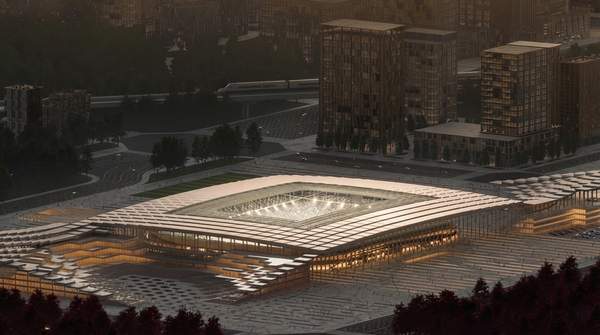
The U.S. Open's push for a luxury experience is undeniable. A basic grounds pass, initially $65, now resells for over $360, according to The Athletic. The price surge coincides with an $800 million renovation of Arthur Ashe Stadium, as reported by The New York Times. Escalating costs and massive investments are transforming the U.S. Open from a premier sporting event into an exclusive luxury experience, largely for a privileged demographic.
When the Crowd Becomes the Show: Disrupting the Game
Spectacle and new audiences now actively disrupt the game. Daniil Medvedev, for instance, incited the crowd to delay his match for six minutes while down match point, after a photographer walked onto the court, according to The New York Times. Madison Keys notes that night match noise often prevents her from hearing coaches or the ball off her opponent's strings. Corporate sponsors invite influencers, catering to those more interested in the social scene than the sport itself, as also reported by The New York Times. The focus on 'buzz' and a social-media-savvy audience erodes the respectful atmosphere crucial for high-stakes athletic competition.
Athletes Caught in the Crossfire: Growth vs. Etiquette
Players recognize the need for growth, but worry about eroding etiquette. Athletes like Ben Shelton and Coco Gauff believe expanding the sport's reach is important, but basic rules of conduct must still be followed, according to The New York Times. The tension between growth and etiquette is critical: broader appeal through spectacle clashes with the sport's fundamental values. The friction between commercial goals and athletic integrity creates an unsustainable path for the event's long-term health.