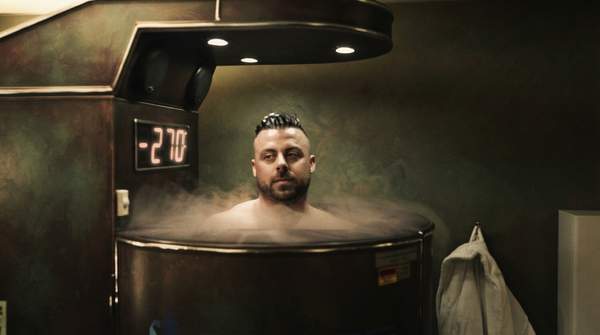
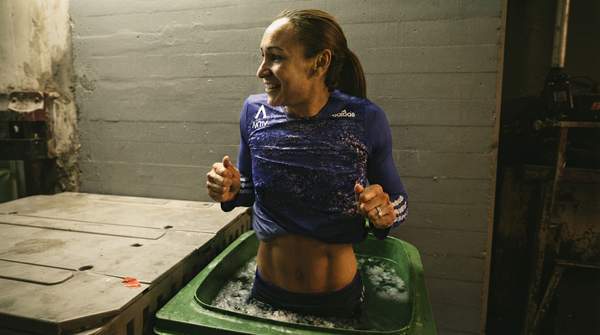
The multi-billion dollar market for athlete recovery gadgets and techniques operates on a faulty premise. Scientific studies from PMC unequivocally reveal that for endurance athletes, "no particular recovery strategy can be advised to enhance recovery between training sessions or competitions." This finding directly contradicts the widespread belief that specific interventions universally improve physiological restoration, exposing significant consumer spending on methods consistently lacking scientific backing.
Athletes pour resources into diverse recovery strategies, yet scientific evidence offers no single, consistently effective method. This creates a stark tension between perceived benefits and verifiable outcomes. The most damning finding remains: "no particular recovery strategy can be advised to enhance recovery between training sessions or competitions in endurance athletes," directly dismantling the myth of a universal 'best' recovery method.
The individualized nature of recovery, coupled with the pervasive lack of universal efficacy for most techniques, demands a shift. Athletes must prioritize rigorous self-monitoring and preventative measures to avert severe overtraining. A one-size-fits-all solution will not emerge. Sustained performance hinges solely on personalized rest and proactive overtraining prevention – the only scientifically supported paths.
The Unseen Battle: Why Recovery is Non-Negotiable
Full recovery from overtraining demands weeks or months away from training, according to HSS. This extensive downtime reveals the critical, often overlooked, role of proper recovery. Unchecked physiological stress from exercise compromises homeostasis and immune function, directly increasing injury, illness, and overtraining risk.
Recovery transcends mere comfort; it restores the body for optimal, safe performance. Inadequate recovery from physiological stress precipitates severe overtraining, a condition requiring extensive, prolonged intervention. Preventing excessive physiological stress through adequate rest is the paramount 'recovery strategy,' far more effective than any intervention applied post-factum.
True athlete recovery is fundamental to health and sustained performance. It means allowing muscle repair, energy replenishment, and hormonal rebalance. Neglecting this process directly jeopardizes an athlete's career and well-being.

Active vs. Passive: Understanding Recovery Modalities
Active recovery (AR) interventions, typically 6-10 minutes, show consistently positive effects on performance, according to PubMed. Light jogging or cycling, for instance, boost blood flow, facilitating lactate redistribution and oxidation, as detailed by Nature, offering an immediate, short-term performance edge.
Passive recovery, conversely, involves complete rest. It supports energy resynthesis and is preferable when muscle glycogen restoration is paramount, according to Nature. The distinct physiological benefits – glycogen resynthesis from passive recovery versus lactate redistribution from active – confirm that effective recovery must be highly individualized. It must target specific post-exercise needs, not generic methods.
Both active and passive methods offer distinct physiological benefits. The most effective approach, therefore, depends entirely on the athlete's specific needs and recovery goals. Athletes and coaches must abandon universal recovery protocols. They must instead adopt highly personalized approaches, tailored to specific physiological demands and training objectives.
Beyond the Hype: The Limits of Universal Metrics and Methods
While PMC studies noted positive effects from cryotherapy and compression garments on training recovery for endurance athletes, the same research delivered a stark conclusion: none of the included recovery strategies showed consistent benefits for endurance athletes overall, meaning isolated positive outcomes for specific methods are overshadowed by a broader scientific consensus of no consistent, universal benefit. Massage, notably, showed no effect in the same study.
Objective physiological markers frequently show inconsistent effects. PMC found no significant interaction effect for heart rate, blood lactate, muscle oxygen saturation, or jump ability. Yet, a significant interaction effect emerged for rating of perceived exertion (RPE) (p = 0.035), also reported by PMC, suggesting that while hard data often fails to confirm efficacy, subjective measures like RPE offer crucial, often overlooked, insights into an athlete's true recovery status.
The recovery market's fragmented, unproven nature reveals a profound disconnect. Even with isolated positive effects for methods like cryotherapy, the overwhelming scientific consensus for endurance athletes remains a pervasive lack of consistent benefits across all examined recovery strategies. The market sells solutions where science finds none.
The High Cost of Pushing Too Hard
The market's persistent promotion of unproven recovery methods creates a dangerous illusion. Athletes, misled by marketing, often perceive these interventions as shortcuts, ignoring the fundamental biological truths of recovery. This misplaced faith diverts attention and resources from the only truly effective strategies: adequate rest and rigorous overtraining prevention.
The systemic failure to prioritize foundational recovery leaves athletes vulnerable. Beyond immediate injury, chronic under-recovery erodes career longevity, leading to irreversible physiological damage. This constant push, fueled by a market selling quick fixes, ultimately shortens athletic careers and diminishes overall quality of life, a far greater cost than any perceived performance gain.
Ultimately, athletes who blindly chase trends or ignore their body's unequivocal signals are the undeniable losers. The true cost of pushing too hard transcends immediate performance dips; it irrevocably impacts career longevity and overall well-being. Every week spent recovering from severe overtraining is a week stolen from meaningful training and competition.
Your Personalized Recovery Toolkit
What are the most effective recovery methods for athletes?
Effective recovery is intensely individualized. It demands adequate rest and stringent overtraining prevention, not universal solutions. Athletes must prioritize listening to their bodies and adjusting training loads; no single strategy consistently benefits all endurance athletes.
How does sleep impact athletic performance and recovery?
Sleep is the bedrock of athletic recovery. It directly influences hormonal balance, muscle repair, and cognitive function. Insufficient sleep severely impairs an athlete's ability to recover from training stress and perform optimally.
How can athletes optimize their recovery strategies?
Athletes optimize recovery by integrating self-monitoring tools – daily wellness questionnaires, heart rate variability tracking – with personalized rest protocols. Recovery from overtraining mandates a comprehensive approach: nutrition review, mental health support, and a gradual return to training, starting at 50-60% of previous volume and increasing by 10% weekly, according to HSS.
The Future of Recovery: Personalized and Preventative
The multi-billion dollar recovery industry will undoubtedly continue its expansion, yet its efficacy for endurance athletes remains largely unproven across the board. The true victors will be those athletes who reject the fads and embrace a personalized, preventative strategy: adequate rest, precise nutrition, and robust mental health. By 2026, athletes like marathon runner Eliud Kipchoge will continue to prove that consistent, tailored rest is paramount to sustained peak performance, rendering unverified recovery fads irrelevant.