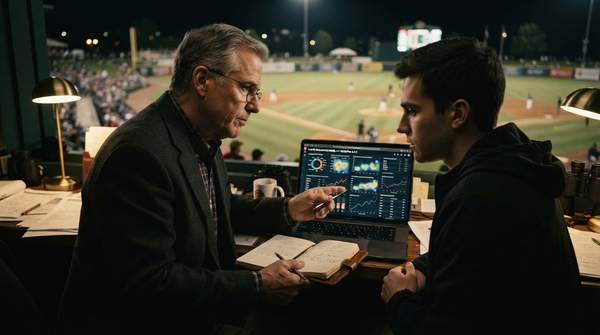
Sports talent identification has passed through two distinct analytical eras. The first, beginning in the 1980s, used statistical analysis of box-score data — the approach Bill James called "the search for objective knowledge about baseball" — and later produced predictive systems like Nate Silver's PECOTA. The second, unfolding today, uses machine learning algorithms that fuse high-volume, multi-source data from GPS trackers, inertial sensors and biometric monitoring into predictive models of athletic potential. The difference is not merely computational: it is a shift in what data counts, what questions can be asked, and what kind of talent — past performance or underlying potential — scouts can actually see.
The Dawn of Data: Statistical Analysis in Sports
Before analytics, player assessment rested on structured rating scales, checklists and the intuitive judgment of scouts. A review of the field's history notes that even when attributes were formally rated, final prediction "often relied on intuitive integration of multiple performance indicators rather than standardized combined rankings." The data available was whatever the game recorded: the numbers in the box score.
The breakthrough came when analysts turned that limited data against itself. During the 1980s, Bill James drew on large volumes of box-score data to question conventional scouting statistics such as batting average and runs batted in, proposing alternative metrics intended to better reflect a player's actual contribution. The ambition was empirical: claims about players had to be backed by quantifiable evidence rather than reputation or observation alone. That insistence on objectivity, first proven in baseball, laid the groundwork for everything that followed.