For amateur athletes juggling training with daily life, post-workout muscle soreness can be more than just an inconvenience; it can derail consistency and progress. While countless recovery methods exist, a 2018 systematic review and meta-analysis of scientific studies found that massage is the most effective technique for reducing both delayed onset muscle soreness (DOMS) and perceived fatigue. The analysis also identified cold exposure as one of the most powerful methods for decreasing inflammation. However, the best recovery strategy for you depends not only on scientific backing but also on practical factors like your budget, available time, and specific training goals. Understanding the trade-offs between the most accessible techniques—massage, foam rolling, cold therapy, heat therapy, and stretching—can help you build a sustainable and effective recovery routine.
Recovery Technique Comparison for Amateur Athletes
Choosing a recovery method involves weighing its proven benefits against its real-world accessibility. While some techniques show stronger scientific support for reducing soreness and inflammation, others offer unparalleled convenience. Massage and its self-administered counterpart, foam rolling, stand out in scientific literature for their direct impact on soreness. During intense exercise, muscle fibers sustain microscopic damage; in the repair process, new collagen fibers can form in a disorganized way, leading to adhesions or knots. Foam rolling and massage work to realign these fibers and release tension. Cold therapy, meanwhile, primarily targets inflammation by constricting blood vessels, which can reduce swelling and pain signals after a workout.
Heat therapy does the opposite, increasing blood flow to relax muscles and aid the repair cycle. Finally, stretching is a universally accessible practice for improving flexibility, even if its direct role in reducing DOMS is less established than other methods. This comparison breaks down these common options to help you decide which best fits your post-workout needs.
| Technique | Primary Benefit (Evidence-Based) | Typical Time Commitment | Accessibility (Cost & Equipment) |
|---|---|---|---|
| Massage / Foam Rolling | A scientific meta-analysis identified massage as the most effective method for reducing delayed onset muscle soreness (DOMS) and perceived fatigue. Foam rolling works by helping to realign disorganized collagen fibers that form during muscle repair. | 1–2 minutes per muscle group, or 10–15 minutes for a full-body session. | Highly accessible. A one-time purchase of a foam roller is affordable, while professional massage incurs higher, recurring costs. |
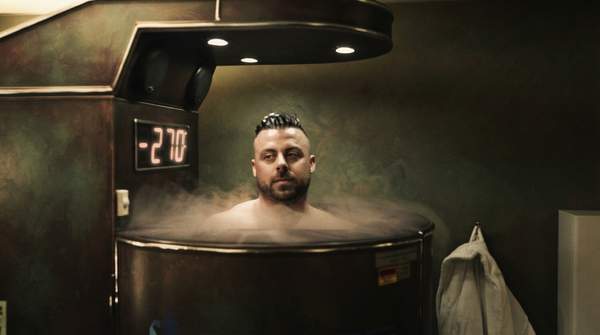
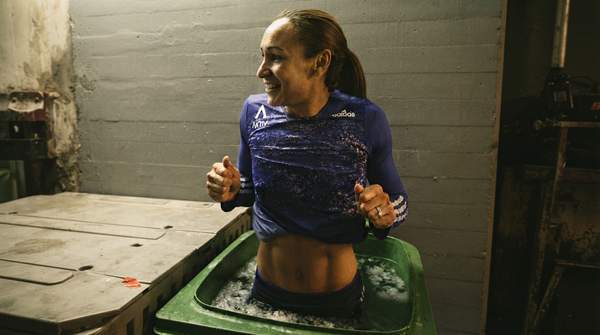
| Cold Therapy (e.g., Ice Bath, Cold Shower) | Effectively reduces inflammation, DOMS, and perceived fatigue. Cold exposure constricts blood vessels, which can help reduce swelling and pain perception after a workout. | 10–15 minutes for cold water immersion. | Very accessible. Can be done at no cost with a cold shower or with the low cost of ice for an ice bath. |
| Heat Therapy (e.g., Sauna, Hot Bath) | Promotes muscle relaxation and increases blood flow, which can aid the repair cycle. It is often used to warm up muscles before a workout to enhance blood flow and prevent injuries. | Approximately 30 minutes. | Accessible. Can be done at no cost with a hot shower or bath, or with a low-cost heating pad. |
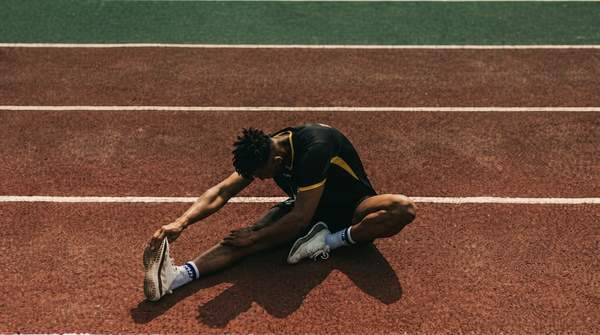
| Stretching | Improves flexibility, reduces stiffness, and can help maintain proper movement patterns. It is a nearly universal post-workout technique, though its direct effect on performance is considered negligible by some sources. | 5–10 minutes for a post-workout routine. | Completely accessible, requiring no equipment and incurring no cost. |