From cryotherapy chambers to compression sleeves, the market for athletic recovery technology is booming, with each device promising faster healing and enhanced performance. For athletes navigating these options, the challenge is to look past compelling marketing and focus on scientific evidence and real-world practicality. A critical evaluation reveals that some of the most expensive, high-tech solutions may not offer a significant advantage over simpler, more accessible, and often cheaper alternatives. Understanding the difference between a promising trend and a proven tool is key to making a worthwhile investment in your wellness.
Decoding the Science of Recovery Claims
Before comparing specific gadgets, it's crucial to understand the evidence behind their claims. Not all "science" is equal. A company's internal study or an athlete's testimonial does not carry the same weight as independent, peer-reviewed research. Higher-quality evidence often comes from systematic reviews and meta-analyses, which synthesize the results of multiple studies to form a more reliable conclusion. For instance, a 2022 narrative review on recovery strategies, published by the National Center for Biotechnology Information, draws on numerous studies to assess different methods. This kind of comprehensive analysis helps separate technologies with consistent, documented benefits from those with mixed or minimal supporting data, empowering you to critically assess whether a product's promises are backed by robust investigation.
Whole-Body Cryotherapy: The Deep Freeze
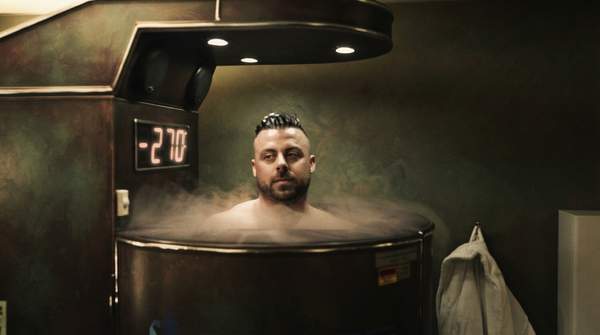
Whole-body cryotherapy (WBC) is a high-tech intervention that involves exposing the body to extremely cold, dry air for a short duration. Athletes enter a specialized chamber where temperatures are lowered to around -100°C for a period of two to four minutes. The intended goal is to leverage this intense cold to reduce inflammation and muscle pain, thereby accelerating recovery after strenuous exercise.
The scientific support for WBC shows some positive, though nuanced, findings. A 2022 review of 16 studies reported that in 80% of those studies, participants experienced reduced muscle pain immediately after damaging exercise. According to that same review, other documented benefits included lower markers of muscle damage in the blood, reduced inflammation, and improved recovery of athletic capacity. However, an earlier 2014 review of several small studies noted a potential discrepancy: while WBC seemed to improve subjective feelings of recovery and soreness, these perceptions did not always translate into measurable improvements in functional recovery. The primary drawbacks remain practical; the high cost and need for specialized facilities make WBC an inaccessible and expensive option for the majority of athletes.